
The Intelligent Brain of Modern NS Mainframe Systems
Cities move because something unseen is thinking for them. Beneath stations, signals, and busy roads sits a quiet intelligence that keeps everything aligned. This intelligence is the NS Mainframe, a centralized system that continuously coordinates transport activity at a massive scale. It does not sleep. It does not guess. It calculates, checks, and responds so people can travel safely and on time.
This system is not about flashy screens or visible machines. It is about reliability and trust. Every smooth journey comes from countless decisions made behind the scenes.
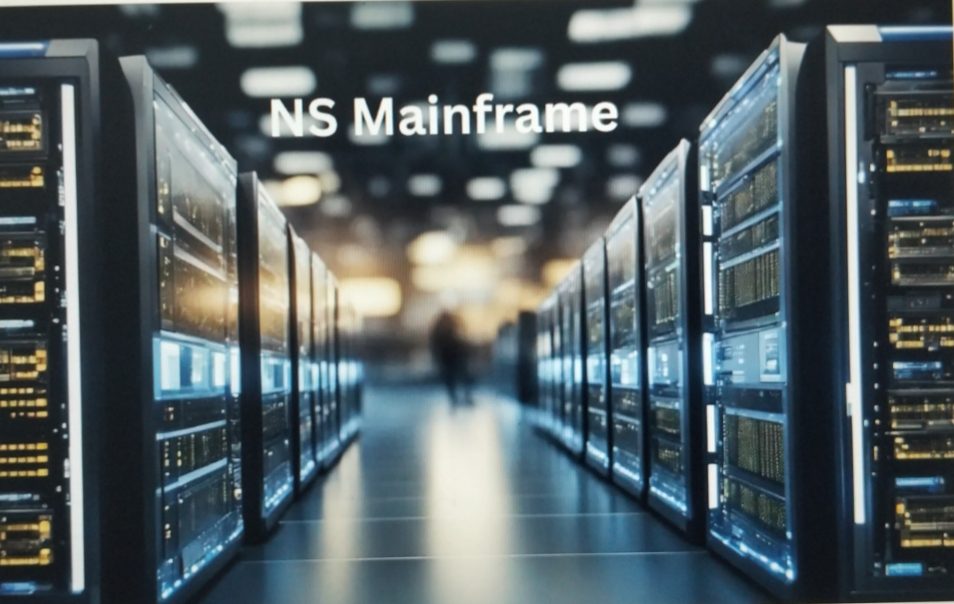
Understanding the Core Role of NS Mainframe
At its core, the NS Mainframe functions like the brain of a transport network. It collects information from many sources and turns it into clear actions. Trains move on time. Signals change precisely. Safety rules are always enforced.
By centralizing control, the system allows complex networks to act as a single, connected entity. Instead of each part working alone, everything responds together.
Transportation networks are vast. They include stations, tracks, vehicles, signals, and control rooms. Managing them separately would cause confusion and delays. A centralized system brings order.
Schedules match real-world conditions. If one area slows down, others adjust. This flexibility prevents small problems from becoming major disruptions.
Why Scale Demands Intelligence
Large networks cannot rely on manual control alone. Weather changes, passenger numbers shift, and equipment needs attention.
A powerful computing system can process this complexity faster than humans. That speed protects both efficiency and safety.
Coordinating Trains with Precision
Timing is crucial. A few seconds can make the difference between smooth connections and missed transfers. NS Mainframe keeps schedules dynamic. It updates plans as conditions change, accounting for delays, maintenance, and demand patterns.
Real-Time Decision Making
When issues arise, the system evaluates options instantly. It can reroute trains, adjust speeds, or change platforms. This reduces congestion and keeps passengers informed.
The goal is resilience, not perfection. A network that recovers quickly feels reliable even when challenges appear.
Keeping Passengers Moving
Passengers notice little, but trains arrive on time. Information screens update accurately. Announcements make sense. Behind this calm experience is constant computation. The system balances competing needs so movement continues smoothly.
Safety Rules Embedded in Logic
Safety is the foundation of any transport network. Rules protect lives and infrastructure. NS Mainframe embeds safety directly into its logic. It never forgets, overlooks, or skips steps.
Preventing Human Error
Humans are skilled but imperfect. Fatigue and distraction can cause mistakes. Automated oversight reduces this risk.
The system monitors speeds, spacing, and signals. Alerts trigger before danger escalates, keeping everyone safe.
Building a Culture of Trust
When operators trust the system, they focus on higher-level decisions. This improves teamwork and communication. Passengers benefit too. Confidence in safety encourages public transport use, supporting sustainability and urban health.
Managing Traffic Lights and Urban Flow
Transport is more than trains. Cities include roads, intersections, and pedestrian spaces. NS Mainframe can integrate traffic lights with rail schedules and road data.
Synchronizing Movement
Traffic lights respond to real conditions, helping everyone move efficiently. Signals adjust when trains approach or congestion builds. This reduces idle time, lowers emissions, and makes cities less stressful.
Supporting Multimodal Transport
Modern travel combines trains, buses, bikes, and walking. A central system ensures smooth connections between modes. Travelers wait less and move more easily.
Intelligent Transportation Systems
Data as the Lifeblood of Control
Every decision relies on data. Sensors, reports, and historical records feed analysis. NS Mainframe processes vast information quickly, turning it into actionable insight.
Learning from Patterns
The system learns peak hours and recurring issues over time. This helps planners improve schedules and infrastructure. Decisions are evidence-based, not guesses.
Transparency and Accountability
Data records allow operators to trace issues and fix problems. This builds confidence among teams, regulators, and the public.
Supporting Large-Scale Operations
Thousands of movements happen daily. Delays in one area can ripple outward. A central system absorbs these shocks, redistributes capacity, and keeps the network balanced.
Scaling Without Chaos
As cities grow, networks expand. NS Mainframe allows growth without losing control. New stations and lines integrate seamlessly.
Planning for the Future
Long-term planning benefits from accurate simulation. The system models changes before they happen, helping planners choose the best paths. This foresight saves time and resources.
Human Operators and Intelligent Systems
Technology does not replace people. It supports them. Operators bring judgment, experience, and empathy.
Empowering Skilled Teams
Automated monitoring frees teams to focus on improvement. They analyse performance and design better solutions. This empowerment encourages innovation and pride in work.
Communication and Clarity
Clear interfaces help operators understand system decisions. Transparency reduces confusion and builds trust. A system that explains itself is easier to manage.
Resilience in a Changing World NS Mainframe
Transport networks face constant change. Climate events, population growth, and tech shifts create pressure. Resilient systems adapt. They absorb stress and continue functioning.
Responding to Disruption
Unexpected events trigger instant responses. Resources are reallocated and updates communicated. This minimizes disruption and speeds recovery.
Preparing for Tomorrow
Flexible foundations are investments in stability. Adaptation is not optional—it is essential.
Conclusion
The power of NS Mainframe lies in its consistency. It seeks no attention, yet everything depends on it. Trains run on time. Signals protect lives. Cities breathe easier.
By acting as the brain of transport networks, it turns complexity into coordination. Intelligence, designed with care, can make daily life smoother and safer. Progress often happens out of sight, guided by logic, data, and a commitment to keeping the world in motion.