The Story of Mac Računala: From Garage Dream to Digital Icon
The story of Apple computers is one of curiosity, imagination, and bold ideas. What started as a small project in a garage became a cultural force that changed how people use technology. Known as mac računala, these computers are more than machines—they reflect a philosophy: technology should feel personal, creative, and accessible.
This journey includes invention, risk, failure, and renewal. It shows how vision and persistence can reshape an industry. To understand why Apple computers matter today, we must look back at their origins.
The Birth of a New Kind of Computer
A Vision Formed in a Garage
Apple computers began in the mid-1970s in California. Two young innovators believed computers should be for everyone, not just big institutions. They imagined machines that ordinary people could use at home.
At the time, computers were seen as complex and intimidating. Early Apple designs focused on simplicity and approachability.
The Name That Became a Symbol
The name “Macintosh” was chosen to feel friendly and approachable. Mac računala were meant to feel personal, not technical. They were tools for creativity and expression.
The Macintosh Revolution
Introducing the Graphical Interface
In the early 1980s, Apple introduced a computer that changed expectations. The Macintosh featured a graphical interface controlled by a mouse—replacing complex text commands with intuitive icons and windows.
Creativity at the Center
The Macintosh quickly became popular with artists, designers, and writers. Fonts, graphics, and layout tools were accessible to everyone.
Mac računala became companions for creativity and storytelling. They supported work that felt personal and expressive.
Challenges and Transformation
Competition and Internal Struggles
With success came pressure. Apple faced competition and leadership changes. The Macintosh line struggled at times to maintain momentum.
A Turning Point in Leadership
In the late 1990s, new leadership restored focus. Simplicity and user experience returned to the center. This renewal set the stage for a modern era of Apple computers.
Design as a Philosophy
Minimalism With Purpose
Apple computers are known for clean lines and careful details. Every design choice has a purpose. This approach creates an emotional connection with users.
Hardware and Software in Harmony
Mac računala stand out because Apple controls both hardware and software. This integration improves performance and ensures a smooth user experience.
The Modern Era of Apple Computers
Power Meets Portability
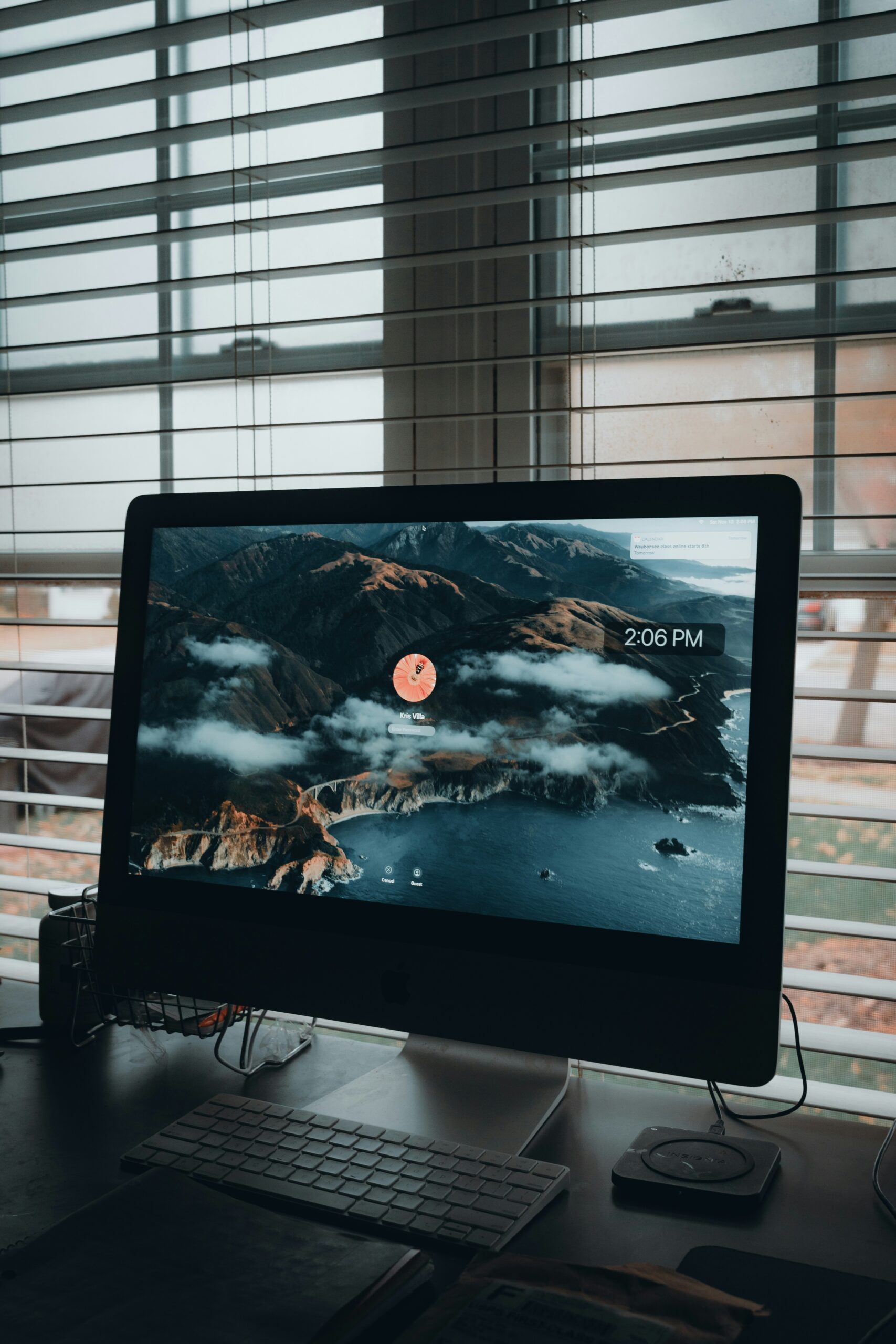
Today, Apple computers are powerful yet portable. Laptops are thin and efficient, desktops are elegant and capable. Improvements in processors and battery life expand what users can do.
A Broader Audience
Mac computers are no longer just for artists. Students, professionals, and developers use them every day. The ecosystem encourages productivity, creativity, and collaboration.
Cultural Impact Beyond Technology
Shaping How We Think About Computers
Apple changed not just products but perceptions. Computers became personal tools, not just technical devices. This influenced the entire industry, with usability and design becoming priorities for all competitors.
Identity and Belonging
Choosing an Apple computer often signals values like creativity, independence, and quality. Users feel part of a larger community.
Education and Innovation
Empowering Learning
Apple computers have been used in schools for decades. Students learn writing, design, and coding in an accessible, user-friendly environment.
Inspiring the Next Generation
By making technology approachable, Apple encourages experimentation and confidence in ideas.
Evolution Without Losing Identity
Adapting to Change
Technology evolves quickly. Apple adapts with new architectures, features, and innovations. User experience remains a top priority.
Respecting the Past While Moving Forward
Despite change, the spirit of the original Macintosh lives on. Simplicity, creativity, and humanity guide every decision.
Looking Ahead
The Future of Personal Computing
With AI, connectivity, and smart devices, computers will continue to evolve. Apple aims to lead through thoughtful design and integration.
A Legacy That Continues
The story of mac računala is still being written. Each generation builds on the last. From a garage project to a global icon, Apple computers remain tools that enhance life, learning, and creativity.
Internal link suggestion: Explore future trends in personal computing
The Story of Mac Računala: From Garage Dream to Digital Icon
The story of Apple computers is one of curiosity, imagination, and bold ideas. What started as a small project in a garage became a cultural force that changed how people use technology. Known as mac računala, these computers are more than machines—they reflect a philosophy: technology should feel personal, creative, and accessible.
This journey includes invention, risk, failure, and renewal. It shows how vision and persistence can reshape an industry. To understand why Apple computers matter today, we must look back at their origins.
The Birth of a New Kind of Computer
A Vision Formed in a Garage
Apple computers began in the mid-1970s in California. Two young innovators believed computers should be for everyone, not just big institutions. They imagined machines that ordinary people could use at home.
At the time, computers were seen as complex and intimidating. Early Apple designs focused on simplicity and approachability.
The Name That Became a Symbol
The name “Macintosh” was chosen to feel friendly and approachable. Mac računala were meant to feel personal, not technical. They were tools for creativity and expression.
The Macintosh Revolution
Introducing the Graphical Interface
In the early 1980s, Apple introduced a computer that changed expectations. The Macintosh featured a graphical interface controlled by a mouse—replacing complex text commands with intuitive icons and windows.
This made computing visual and easy to use.
Creativity at the Center
The Macintosh quickly became popular with artists, designers, and writers. Fonts, graphics, and layout tools were accessible to everyone.
Mac računala became companions for creativity and storytelling. They supported work that felt personal and expressive.
Challenges and Transformation
Competition and Internal Struggles
With success came pressure. Apple faced competition and leadership changes. The Macintosh line struggled at times to maintain momentum.
A Turning Point in Leadership
In the late 1990s, new leadership restored focus. Simplicity and user experience returned to the center. This renewal set the stage for a modern era of Apple computers.
Design as a Philosophy
Minimalism With Purpose
Apple computers are known for clean lines and careful details. Every design choice has a purpose. This approach creates an emotional connection with users.
Hardware and Software in Harmony
Mac računala stand out because Apple controls both hardware and software. This integration improves performance and ensures a smooth user experience.
The Modern Era of Apple Computers
Power Meets Portability
Today, Apple computers are powerful yet portable. Laptops are thin and efficient, desktops are elegant and capable. Improvements in processors and battery life expand what users can do.
A Broader Audience
Mac computers are no longer just for artists. Students, professionals, and developers use them every day. The ecosystem encourages productivity, creativity, and collaboration.
Cultural Impact Beyond Technology
Shaping How We Think About Computers
Apple changed not just products but perceptions. Computers became personal tools, not just technical devices. This influenced the entire industry, with usability and design becoming priorities for all competitors.
Identity and Belonging
Choosing an Apple computer often signals values like creativity, independence, and quality. Users feel part of a larger community.
Education and Innovation
Empowering Learning
Apple computers have been used in schools for decades. Students learn writing, design, and coding in an accessible, user-friendly environment.
Inspiring the Next Generation
By making technology approachable, Apple encourages experimentation and confidence in ideas.
Evolution Without Losing Identity
Adapting to Change
Technology evolves quickly. Apple adapts with new architectures, features, and innovations. User experience remains a top priority.
Respecting the Past While Moving Forward
Despite change, the spirit of the original Macintosh lives on. Simplicity, creativity, and humanity guide every decision.
Looking Ahead
The Future of Personal Computing
With AI, connectivity, and smart devices, computers will continue to evolve. Apple aims to lead through thoughtful design and integration.
A Legacy That Continues
The story of mac računala is still being written. Each generation builds on the last. From a garage project to a global icon, Apple computers remain tools that enhance life, learning, and creativity.
Internal link suggestion: Explore future trends in personal computing
Conclusion:
From humble beginnings to global influence, Apple computers show that technology should feel human. Mac računala inspire creativity, support education, and remain relevant across decades. Their story continues, teaching us that the best technology feels less like a machine and more like a partner.
From humble beginnings to global influence, Apple computers show that technology should feel human. Mac računala inspire creativity, support education, and remain relevant across decades. Their story continues, teaching us that the best technology feels less like a machine and more like a partner.