
Exploring the Kennedy Funding Ripoff Report With Care Between Allegation and Understanding
The internet has changed how people research companies. A single search can reveal praise, complaints, stories, and strong opinions. For borrowers, investors, and business owners, online reputation often feels as important as financial terms. Within this environment, searches for kennedy funding ripoff report have become a point of curiosity for many readers trying to understand what such claims mean and how to interpret them responsibly.
It is important to approach this topic with balance. Online reports are not court rulings. They are expressions of personal experience or perception. Understanding context is essential before concluding.
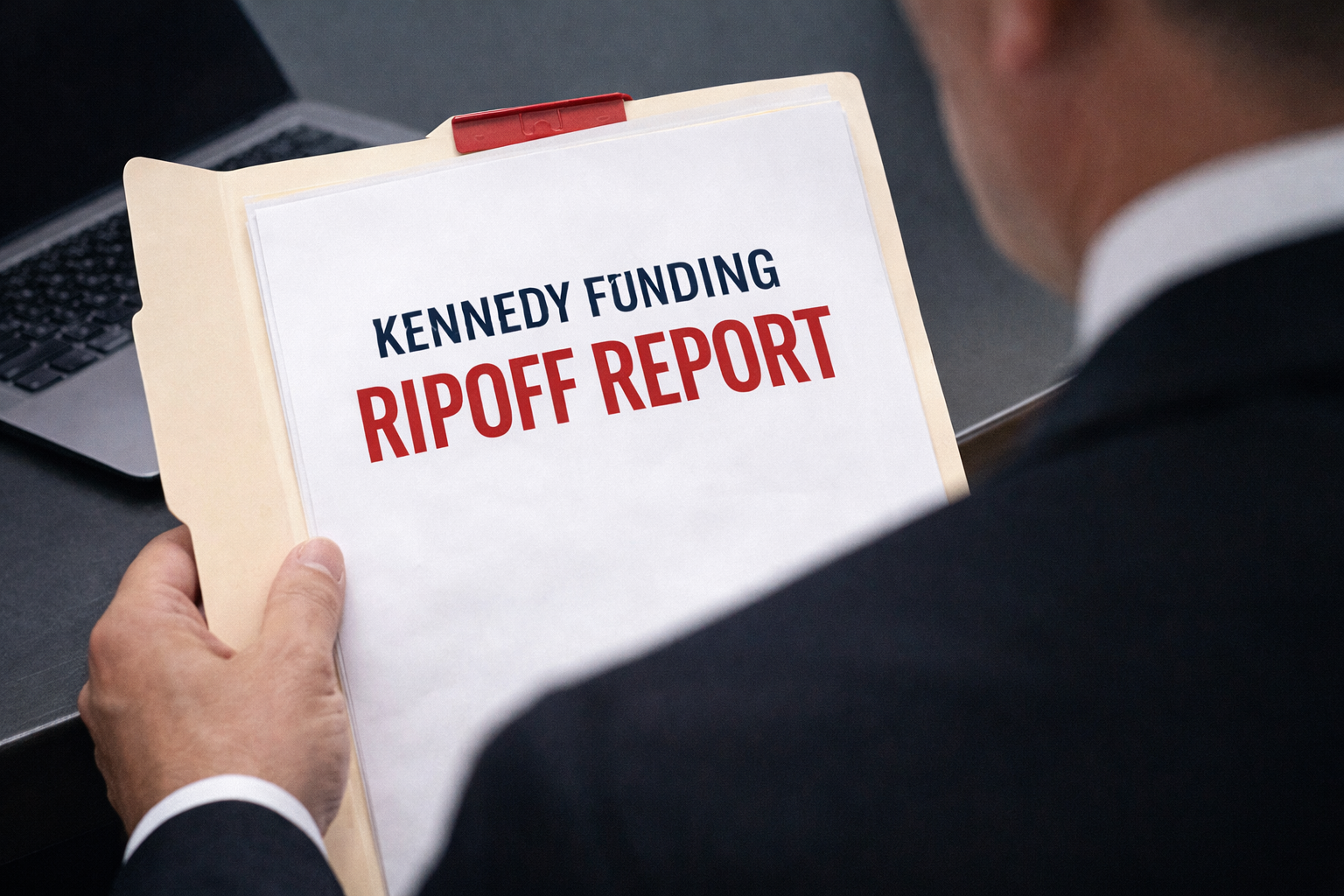
What a Ripoff Report Represents:
-
A Platform for Consumer Voices
A ripoff report website is designed to give consumers a place to share grievances. Anyone can submit a report. These posts are not always verified through formal investigation.
When people search for kennedy funding ripoff report, they often encounter opinions rather than facts. This distinction matters. A report reflects one viewpoint at one moment in time.
-
The Nature of Online Complaints
Complaints usually arise from frustration. Financial transactions involve high stakes and emotional stress. When expectations are not met, people look for outlets to express dissatisfaction.
Understanding this emotional context helps readers interpret reports with empathy while maintaining objectivity.
Understanding Kennedy Funding as a Lender:
-
A Specialized Lending Model
Kennedy Funding is known in the lending space for providing asset-based financing. This type of lending often involves higher-risk projects and unconventional borrowers.
Such deals are complex. They include strict terms, detailed documentation, and time-sensitive requirements. Misunderstandings can occur if expectations are not aligned from the beginning.
-
Why Disputes Sometimes Arise
In specialized lending, not every deal closes. Some transactions fail due to appraisal issues, legal challenges, or unmet conditions. Borrowers may feel disappointed when outcomes differ from hopes.
When disputes surface, some individuals may turn to public forums. This helps explain why searches for kennedy funding ripoff report appear online.
Reading Online Reports Critically:
-
Separating Experience From Evidence
An online report describes a personal experience. It does not automatically prove misconduct. Readers should distinguish between opinion and documented fact.
Looking for supporting details, such as timelines, contract terms, and responses, helps form a clearer picture. Absence of detail can signal an emotional reaction rather than a complete account.
-
Considering Multiple Perspectives
One report rarely tells the whole story. Reviewing multiple sources provides balance. Company responses, independent reviews, and industry context all matter.
When researching kennedy funding ripoff report, comparing different viewpoints reduces the risk of misunderstanding.
The Role of Expectations in Financial Deals:
-
Clarity at the Beginning
Many disputes stem from unclear expectations. Lending agreements involve fees, due diligence, and conditions that may not guarantee funding.
Borrowers who fully understand these elements are less likely to feel misled. Clear communication at the start sets realistic outcomes.
-
The Cost of Due Diligence
Some lenders charge fees for evaluations and legal review. These fees may apply even if a deal does not close.
This practice is common in certain sectors, yet it can surprise borrowers. When disappointment follows, online complaints may appear.
Why Ripoff Reports Gain Attention:
-
The Power of Search Engines
Search engines amplify negative content. A single report can rank highly and attract attention long after it is posted.
This visibility explains why kennedy funding ripoff report continues to be searched. People want reassurance before making financial decisions.
-
Emotional Impact on Readers
Strong language captures attention. Words like ripoff trigger concern and fear. Readers may react emotionally before analyzing facts.
Recognizing this emotional pull helps maintain a rational perspective.
Due Diligence as a Shared Responsibility:
-
What Borrowers Can Do
Borrowers benefit from asking detailed questions. They should request written explanations of fees, timelines, and conditions.
Legal and financial advisors can help interpret agreements. Preparation reduces misunderstandings.
-
What Lenders Can Improve
Clear communication builds trust. Transparent explanations and responsive customer service help prevent disputes.
When both sides engage responsibly, the likelihood of public complaints decreases.
The Legal Weight of Online Reports:
-
Opinion Versus Verdict
A ripoff report is not a legal judgment. It does not establish guilt or wrongdoing. Courts and regulators determine those matters.
Readers searching for kennedy funding ripoff report should remember this distinction. Online posts lack the authority of formal rulings.
-
The Importance of Verification
Before accepting claims as truth, readers should look for verified information. Regulatory filings, lawsuits, or official statements provide stronger evidence.
Without such verification, caution is wise.
Consumer Complaints on Ripoff Report
Reputation Management in the Digital Era:
-
Challenges for Businesses
Online reputation is difficult to control. Even resolved disputes may remain visible indefinitely.
Companies must balance responding to complaints with legal and ethical considerations. Silence does not always imply agreement.
-
Long-Term Perspective
A single complaint does not define a business. Longevity, client success stories, and industry standing offer a broader context.
Evaluating reputation requires looking beyond one search result.
How Readers Can Make Informed Decisions:
-
Developing Critical Thinking
Critical thinking involves questioning sources and seeking balance. It means acknowledging emotion without being ruled by it.
When encountering kennedy funding ripoff report, readers should pause and analyze rather than react immediately.
-
Using Multiple Research Tools
Combining online reviews with direct communication provides clarity. Speaking with company representatives and past clients adds depth.
Information becomes more reliable when gathered from diverse sources.
The Human Side of Financial Conflict:
-
Stress and Perception
Financial stress amplifies emotions. What feels like deception to one party may feel like procedure to another.
Understanding this human element fosters empathy without dismissing concerns.
-
Learning From Disputes
Disputes highlight areas for improvement. They encourage better communication and clearer agreements.
Both borrowers and lenders can learn from past conflicts.
Why Context Matters Most:
-
Avoiding Simplistic Conclusions
Complex financial relationships rarely fit simple narratives. Labels like ripoff oversimplify nuanced situations.
Context helps reveal the full story. It prevents unfair judgments based on limited information.
-
Respecting Complexity
When reading about kennedy funding ripoff report, respecting complexity leads to wiser conclusions. It acknowledges that truth often lies between extremes.
Conclusion:
The phrase kennedy funding ripoff report draws attention because it touches on trust, money, and risk. These are deeply personal concerns. Online reports provide insight into individual experiences, but they are not definitive judgments.
By approaching such content with critical thinking, empathy, and a commitment to verification, readers protect themselves from misinformation. In a digital world filled with strong opinions, balance remains the most valuable skill.