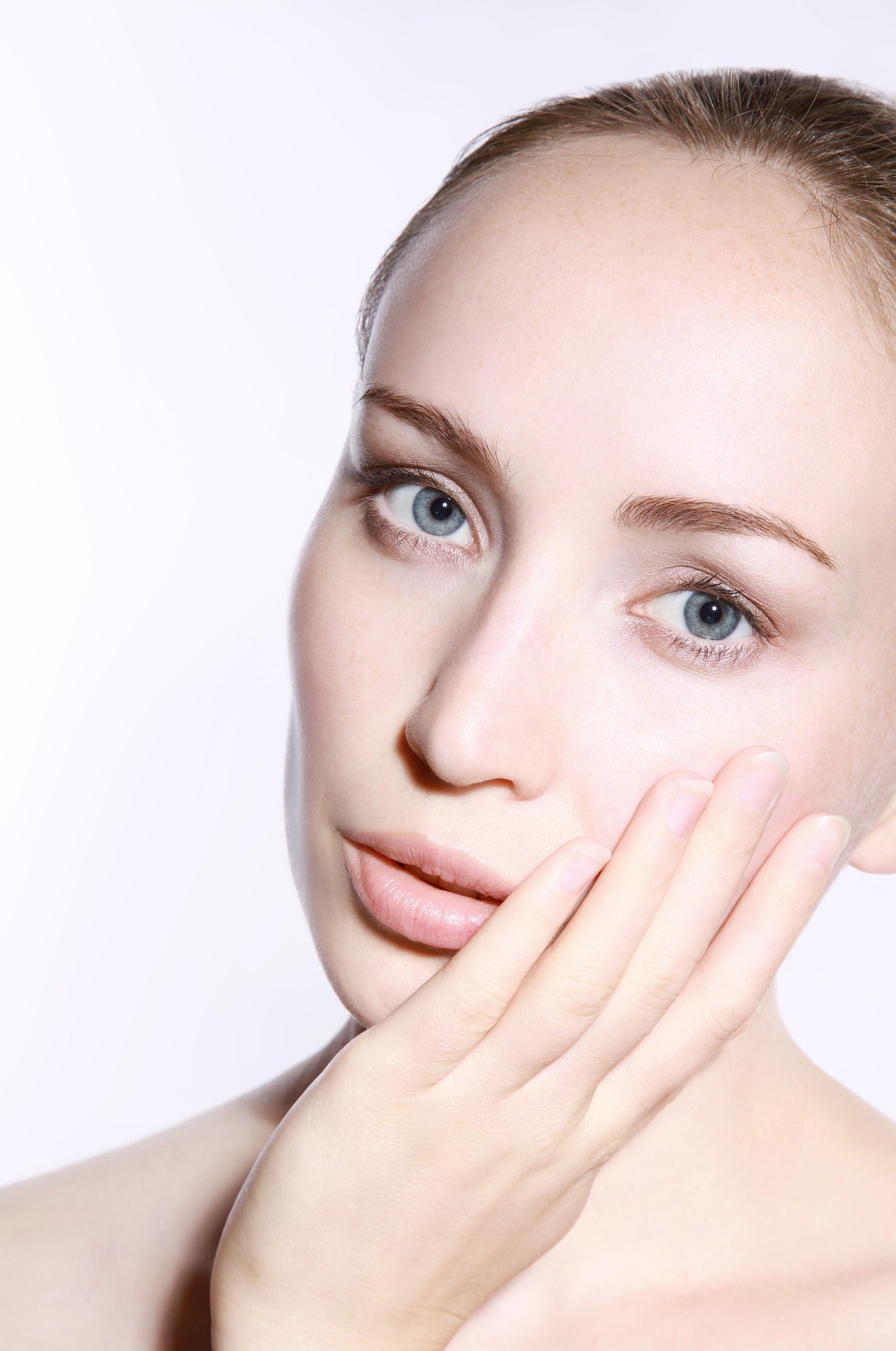
The Unspoken Radiance of Julia Ain and the Truth Behind Pretty Faces
From ancient marble sculptures to modern selfie filters, humans have always been fascinated by beauty. However, what really defines it? Is it a symmetrical face, a confident smile, or something that shines from within? Today, pretty faces mean more than looks—they can influence opportunities, social perception, and personal influence.
Moreover, Julia Ain stands out among those exploring both outer beauty and inner strength. Her journey isn’t only about how the world sees her; it’s about showing what real beauty means in the age of digital storytelling.
The History of How We See Pretty Faces
Humans’ fascination with pretty faces is not new. The Greeks believed in the Golden Ratio a perfect symmetry meant to represent beauty. During the Renaissance, beauty symbolized purity and moral virtue.
Fast forward to the 21st century, and social media surrounds us with faces carefully curated for likes and attention. Nevertheless, this obsession comes at a cost. The digital age blurs the line between authenticity and performance. Many edit their images to fit society’s mold of perfect beauty.
In Contrast, Julia Ain chooses a different path. She embraces imperfection, proving that flaws can make beauty real.
Julia Ain: The Beginning of Her Journey
Born in a small coastal town, Julia never chased perfection. She loved sketching, writing, and observing people. While others sought validation through appearance, Julia focused on expression.
When she entered digital media, she didn’t aim to be an influencer. Instead, she wanted to create a space where beauty could be felt, not just seen. Soon, audiences noticed her authenticity. She became a refreshing alternative to curated perfection.
The Illusion of Perfection in Pretty Faces Today
In today’s digital world, pretty faces can act like masks. Filters smooth out flaws, lighting hides fatigue, and captions tell stories that may not exist. Although this illusion can be alluring but isolating.
Julia often contrasts raw, unfiltered moments with polished imagery. Thus, she shows that freckles, laugh lines, and scars tell a story far more compelling than flawless photos ever could. Her approach to authenticity reminds us that imperfection is relatable.
Julia Ain’s Philosophy: Authenticity over pretty faces
In a culture that rewards perfection, being real is revolutionary. Julia uses her platform to challenge superficial beauty standards. She shares stories of artists, thinkers, and everyday people, highlighting that true beauty comes from authenticity, not conformity.
As she once said, “Confidence isn’t about looking perfect; it’s about feeling enough.”
The Psychology Behind Pretty Faces
Humans are wired to notice beauty. While symmetry often signals health and good genetics. However, what truly captivates is emotion—a genuine smile, curious eyes, or expressive gestures.
Moreover, Julia connects emotionally with her audience. Her expressions, vulnerability, and balance of strength and softness turn admiration into genuine connection. For more on the science of beauty perception, see this research.
Social Media and Digital Beauty
Social media showcases influencers with perfect faces and glamorous lifestyles. However, behind the filters lies pressure and insecurity.
Julia often posts side-by-side comparisons of filtered and unfiltered photos. She encourages transparency, showing that beauty can coexist with honesty. Her work serves as a mirror for society, therefore challenging unrealistic standards.
Shifting the Conversation on Beauty
Julia Ain’s influence goes beyond her followers. She inspires brands, photographers, and creators to celebrate real diversity—wrinkles, scars, stretch marks, and more.
Furthermore, she collaborates with charities supporting self-esteem and mental health awareness, showing that beauty and kindness are inseparable. Consequently, for Julia, a beautiful face reflects compassion, strength, and self-acceptance.
Redefining Influence
The world doesn’t need more pretty faces; it needs faces with purpose. Julia’s projects blend art, photography, and storytelling to explore deeper emotional truths. She documents rural communities and hosts body positivity workshops.
Therefore, influence comes not from looks alone but from speaking truthfully. Every post, photo, or caption sparks meaningful conversation.
Lessons from Julia Ain
True beauty is about emotion and self-perception. Julia’s key lesson is simple: don’t chase perfection. Instead, embrace individuality.
Society’s obsession with pretty faces may continue, but real beauty belongs to those who dare to be themselves. Scars, stories, and spirit make a person captivating.
The Future of Beauty
As technology advances, AI models and virtual influencers are the new “pretty faces.” However, people still crave genuine human connection.
Julia Ain reminds us that authenticity and emotional depth matter most. The future of beauty is about celebrating imperfections and real-life experiences, not flawless digital replicas.
Conclusion
We live in a world where images speak louder than words, but only authenticity echoes in the heart. Julia Ain’s message shows that behind every flawless photo lies a story, a struggle, and a soul.
Pretty faces may attract attention, but truth captures the heart. In a society obsessed with perfection, the most radical act of beauty is simply being real.