
A Detailed Look at British Airways Emergency Flight BA286
Commercial aviation depends on preparation, technology, and human skill. Most flights cross the skies without incident, disrupted only by weather changes or minor delays. Occasionally, however, events remind us of the responsibility pilots, crew, engineers, and air traffic controllers bear every day. One such case occurred during British Airways Emergency Flight BA286, an incident that captured global attention and highlighted professionalism, safety, and quick decision-making at high altitude.
Rather than panic, the flight demonstrated calm, coordinated action. Passengers experienced uncertainty but ultimately found reassurance. Aviation professionals analyzed procedures, and the public witnessed how emergencies unfold. This case remains significant because it reveals not just what can go wrong—but also what aviation systems and skilled professionals can do right.
Flight Background: Routine Departure, Unexpected Challenge
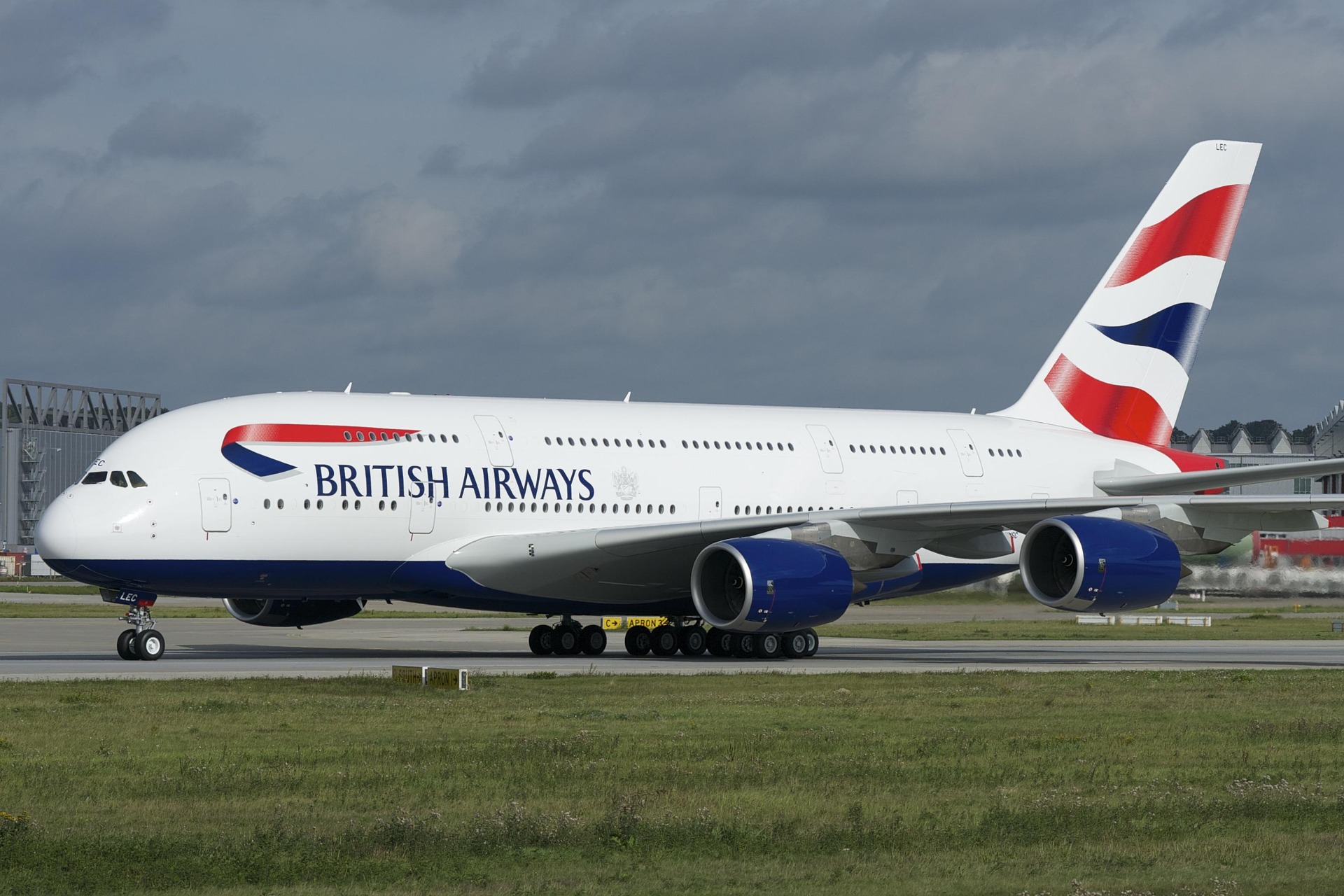
Flight BA286 departed from Las Vegas, bound for London, carrying hundreds of passengers expecting a routine journey across the Atlantic. The aircraft belonged to one of the largest commercial fleets, equipped with advanced systems and designed for long-haul comfort. The crew followed standard protocols as they prepared for takeoff.
Passengers settled in for movies, meals, or rest. Many returned home from vacations or business trips, while others planned onward connections throughout Europe. At this point, everything suggested a normal flight. No passenger or crew member anticipated the disruption ahead.
First Signs of Trouble: Early Warning at Cruising Altitude
Several hours into the flight, passengers noticed an unusual odor in the cabin. While minor, the crew treated the report seriously. They checked the cabin, coordinated with the cockpit, and monitored all systems carefully. Though no visible smoke appeared, the crew acted with caution, knowing that early action prevents escalation.
The pilots analyzed data from aircraft instruments. They considered whether to continue to London or divert to the nearest suitable airport. In aviation, hesitation can prove dangerous. The decision required both judgment and adherence to safety protocols.
Critical Decision: Diverting the Flight
After reviewing the situation, the captain and first officer decided to divert BA286 to Madrid. The decision prioritized safety above passenger convenience or airline logistics. While some passengers faced delays and rescheduling, the choice ensured potential hazards could be addressed on the ground.
This decisive action highlighted a key lesson: in aviation, precaution outweighs comfort. The crew demonstrated skill and clarity, showing that calm, informed decision-making saves lives and reassures passengers.
Passenger Communication: Clarity Under Pressure
The captain addressed passengers calmly, explaining the diversion and emphasizing safety without creating alarm. Cabin crew members reassured travelers, answered questions, and maintained order. Their proactive communication prevented panic and demonstrated the value of trained personnel in emergencies.
Passengers appreciated the clarity and honesty. They understood the crew acted according to established procedures, prioritizing everyone’s safety above all else.
Landing and Ground Response: A Controlled Outcome
British Airways emergency flight BA286 landed safely at Madrid, where emergency services awaited as a precaution. Firefighters, paramedics, and ground personnel followed standard protocols, ready to respond. The pilots executed a smooth landing, demonstrating that the aircraft remained fully controllable.
Once on the tarmac, the airline instructed passengers to remain seated while ground crews conducted inspections. After confirming the aircraft posed no immediate threat, authorities allowed passengers to disembark.
Post-Landing Care: Ensuring Passenger Comfort
The airline arranged accommodations, meals, and rebookings. Crew members continued assisting passengers, answering questions and offering support. While delays occurred, travelers expressed appreciation for the professionalism displayed throughout the incident.
Flight crews participated in post-incident debriefings and medical checks. These steps reinforced safety protocols and helped the airline refine procedures for future operations.
Investigation: Understanding the Cause
Engineers examined the aircraft to identify the source of the odor. Aviation investigations aim to find root causes rather than assign blame, helping the industry improve maintenance, training, and operational protocols.
Even when incidents do not cause visible damage, analyzing them provides valuable lessons. Every anomaly contributes to a stronger safety culture across airlines worldwide.
Public Trust and Transparency
The airline communicated openly with passengers and media, providing updates as investigations progressed. Transparency reassures travelers and reinforces confidence in safety procedures. News outlets noted the crew’s professionalism, highlighting how calmly and efficiently they handled the situation.
This approach prevents unnecessary fear while educating the public about the layered safety measures inherent in commercial aviation.
Commercial Air Travel Safety Guidelines
Human Perspective: Passengers and Crew
For passengers, experiencing an in-flight diversion brings mixed emotions. Some felt anxiety, while others trusted the crew and remained calm. Crew members demonstrated attentive service, explaining the situation clearly and addressing concerns promptly.
The flight attendants’ quick thinking and empathy shaped passenger perception. Flight crews train extensively for emergencies, yet each real-life scenario demands adaptation and composure. In this case, teamwork ensured a positive outcome for everyone on board.
Airline Safety Ratings and Awards
Broader Implications: Lessons for Aviation Safety
Incidents like British Airways emergency flight BA286 reinforce the importance of strict safety procedures. Diversions, inspections, and passenger care exist to prevent small issues from escalating. Airlines and regulators review these events to improve operational guidelines continuously.
For the general public, understanding how such events unfold reduces fear. The incident illustrates that multiple safety layers work in tandem, and prepared crews can manage challenges calmly and effectively.
Long-Term Legacy: Safety, Confidence, and Learning
Even after resolution, the lessons from BA286 continue to influence aviation practices. Crew training, maintenance protocols, and communication strategies benefit from real-world experience.
Passenger confidence grows when airlines respond professionally to emergencies. While travelers may remember minor inconvenience, they also remember feeling protected and informed. The case of British Airways emergency flight BA286 demonstrates that safety extends beyond engineering—it is a practiced reality enforced by skilled humans.
Conclusion
British Airways emergency flight BA286 reminds us that aviation relies on preparation, technology, and human judgment. Emergencies test every aspect of the system, from pilot decisions to cabin communication.
The incident proved that calm decision-making, clear communication, and well-trained personnel can transform a potential crisis into a controlled, safe experience. Passengers, crew, and the wider aviation community gained insight into the importance of vigilance, professionalism, and teamwork.
Ultimately, BA286 stands as a testament to the effectiveness of modern aviation systems and the dedication of those who keep air travel secure. Safety, as always, comes first—and this flight exemplified it in action.