From Mythic Shores to Prehistoric Footprints: Exploring Tangier Hercules and Morocco’s Timeless Wonders
Morocco is a land where stories stretch across thousands of years, blending myth, natural beauty, and scientific discovery into one continuous narrative. Among its most captivating destinations, Tangier Hercules stands out as a site where legend meets the sea, inviting travelers to step into a story that spans both imagination and history. From windswept Atlantic cliffs to mountain towns filled with ancient secrets, the country encourages visitors to explore different eras at once. Alongside Tangier Hercules, the dinosaur museum in Azilal opens a window into Morocco’s prehistoric past, revealing how the nation honors both its mythical and scientific heritage.
/moroccan-heritage-and-ancient-wonders
H2: Tangier Hercules Caves: Location, Nature, and Legend
H3: Tangier Hercules Location and Natural Setting
The Caves of Hercules, near Cape Spartel, lie about 14 kilometers west of Tangier. Here, the Atlantic Ocean meets the Mediterranean Sea, creating a dramatic landscape of cliffs, waves, and endless horizons. The caves are carved into limestone rock, shaped over millennia by natural erosion and human activity.
Visitors to Tangier Hercules experience both accessibility and mystery. Standing at this edge of the continent, one feels the closeness of Europe and Africa, separated only by imagination and water. The caves act as a gateway, both geographically and symbolically.
H3: Tangier Hercules Myth and Cultural Meaning
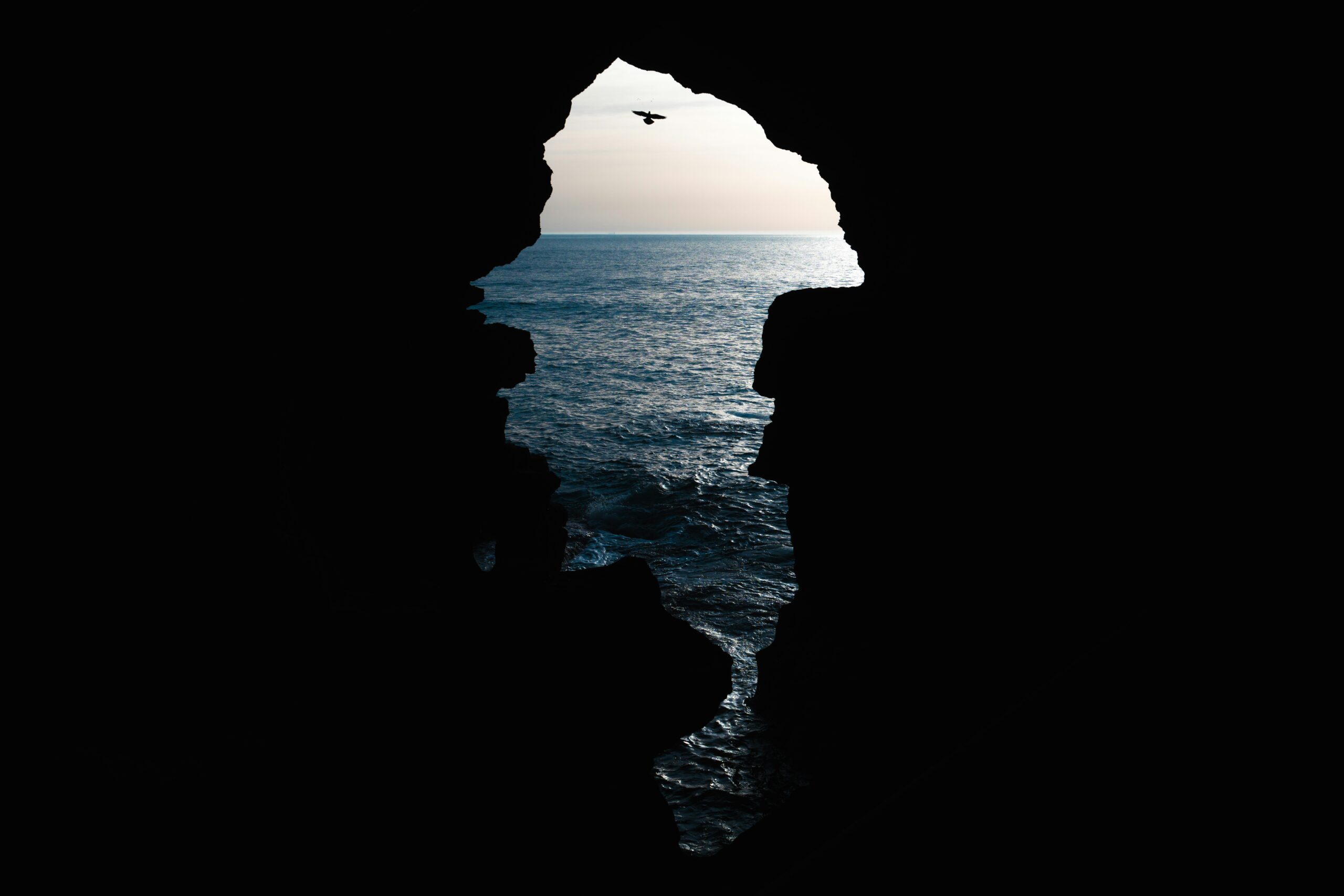
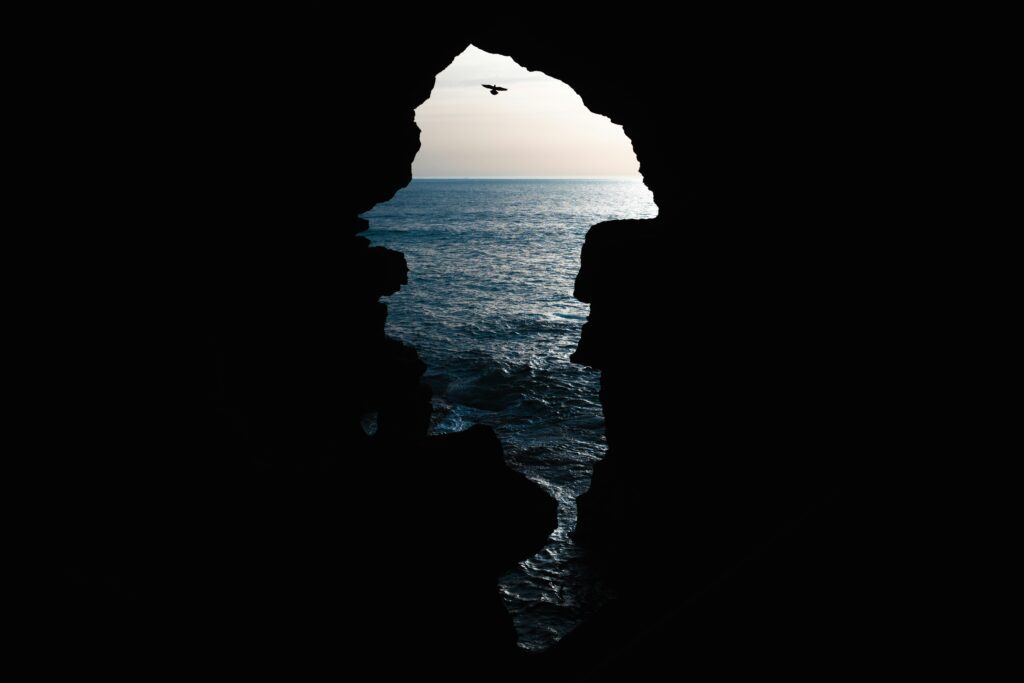
According to legend, Hercules rested here after completing his twelve labors. Myth holds that he slept in these caves before splitting the continents to create the Strait of Gibraltar. One famous cave opening even resembles the shape of Africa, formed by both natural erosion and human influence.
This story gives Tangier Hercules its lasting cultural significance. Visitors are not just observing rocks—they are stepping into centuries of storytelling. Local guides blend myth with history, keeping oral traditions alive.
H3: Tangier Hercules Tourism and Natural Beauty
Today, the caves are one of Morocco’s most visited sites. Sunlight streams through openings, illuminating walls and creating shifting patterns of light. The ocean’s roar echoes in the chambers, enhancing the sense of awe.
Tourism has brought pathways and safety measures, but the site retains its contemplative atmosphere. Artists, photographers, and travelers come to Tangier Hercules to reflect, connect with nature, and experience myth firsthand.
H2: Dinosaur Azilal: Morocco’s Prehistoric Discovery
H3: Azilal Region and Fossil Footprints
Far from the coast, the Atlas Mountains shelter the region of Azilal. Known for dramatic landscapes and traditional villages, it has also revealed fossilized dinosaur footprints. These footprints, preserved in stone, offer direct evidence of life millions of years ago.
H3: Dinosaur Azilal Museum and Its Mission
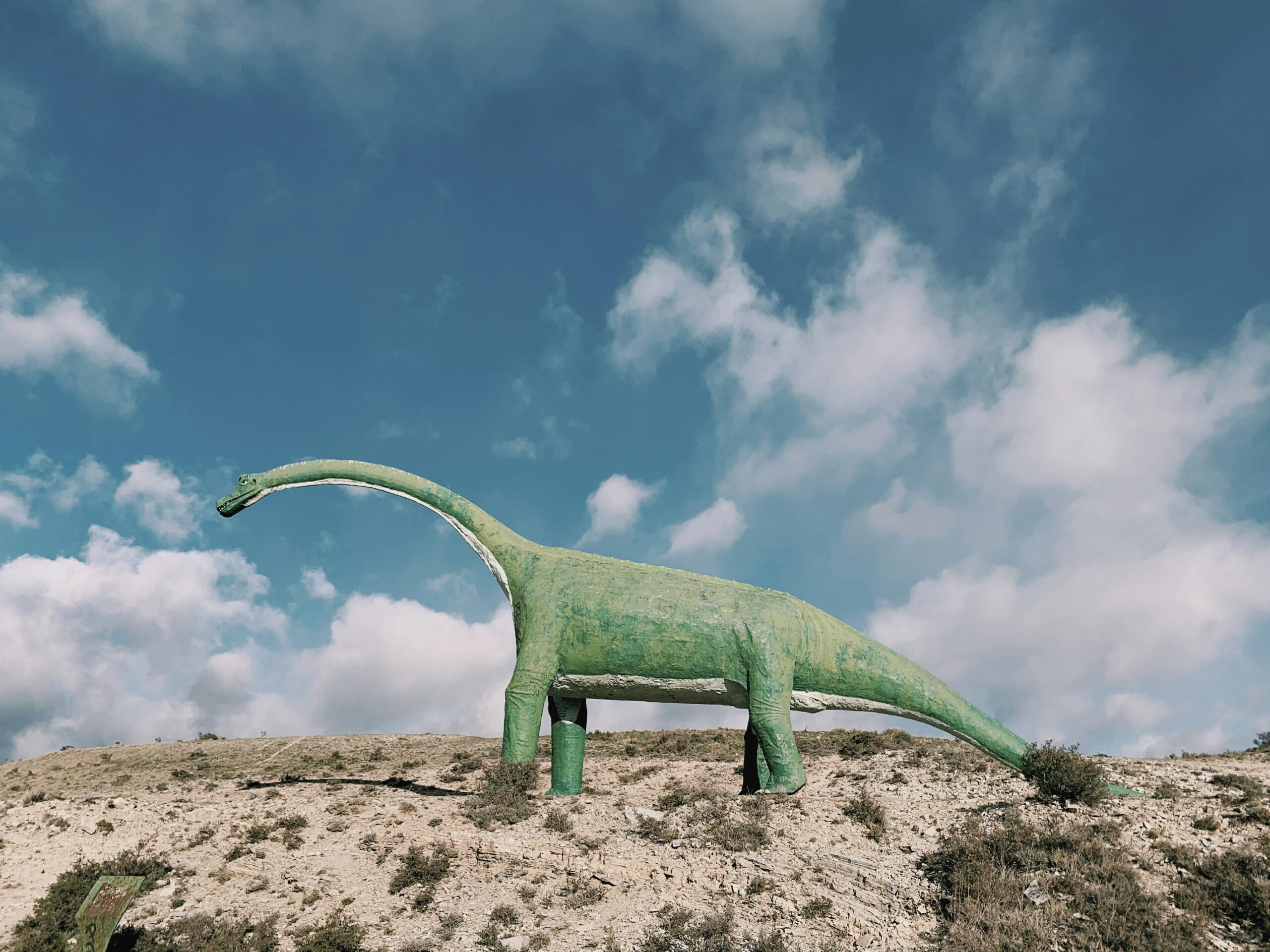
The Dinosaur Azilal museum showcases fossil tracks, reconstructions, and educational displays. Visitors can see footprints embedded in stone, revealing movement patterns and ancient environments. The museum inspires learning and curiosity, making science engaging for families, students, and researchers.
H3: Dinosaur Azilal and Educational Tourism
With this museum, Azilal has become a destination for educational tourism. Travelers exploring the mountains can now engage with Morocco’s prehistoric heritage. This initiative supports local communities while highlighting the importance of protecting fossil sites.
H2: Myth and Science Together: Tangier Hercules Meets Prehistoric Azilal
At first glance, a mythic cave by the sea and a dinosaur museum in the mountains may seem unrelated. Yet together, they illustrate Morocco’s unique approach to history and storytelling.
Tangier Hercules speaks to humanity’s love for myth and imagination. Dinosaur Azilal speaks to our curiosity and desire for scientific understanding. Both sites spark wonder, encouraging visitors to explore Morocco’s layered past.
H2: Cultural Identity and Preservation
Morocco embraces myth and science as essential elements of identity. Preserving Tangier Hercules honors centuries of cultural memory and storytelling. Supporting fossil research and museums demonstrates a commitment to knowledge and education.
Visitors experiencing both sites often gain a deeper appreciation for Morocco’s complexity. History is not linear but layered, with every era leaving traces for future generations.
H2: Visitor Experience: Emotion, Education, and Reflection
H3: Tangier Hercules Emotional Impact
Standing in the caves near Tangier, visitors feel awe and calm. The ocean’s roar and the weight of legend invite reflection, creating a memorable emotional experience.
H3: Dinosaur Azilal Education Through Wonder
At the museum, fossilized footprints ignite curiosity. Children and adults alike see science come alive. The experience shows that learning can be immersive, inspiring, and enjoyable.
Together, these destinations prove that tourism can educate while entertaining, leaving lasting impressions and a deeper understanding of Morocco’s heritage.
Conclusion: Tangier Hercules and Morocco’s Timeless Story
Morocco offers more than destinations—it offers journeys across time. Tangier Hercules connects visitors to myth and legend, while Dinosaur Azilal opens a window to the distant past.
Together, they illustrate how Morocco honors imagination and knowledge equally. Ancient heroes and prehistoric creatures share the same soil, inviting every traveler to explore a land where history, myth, and science coexist