
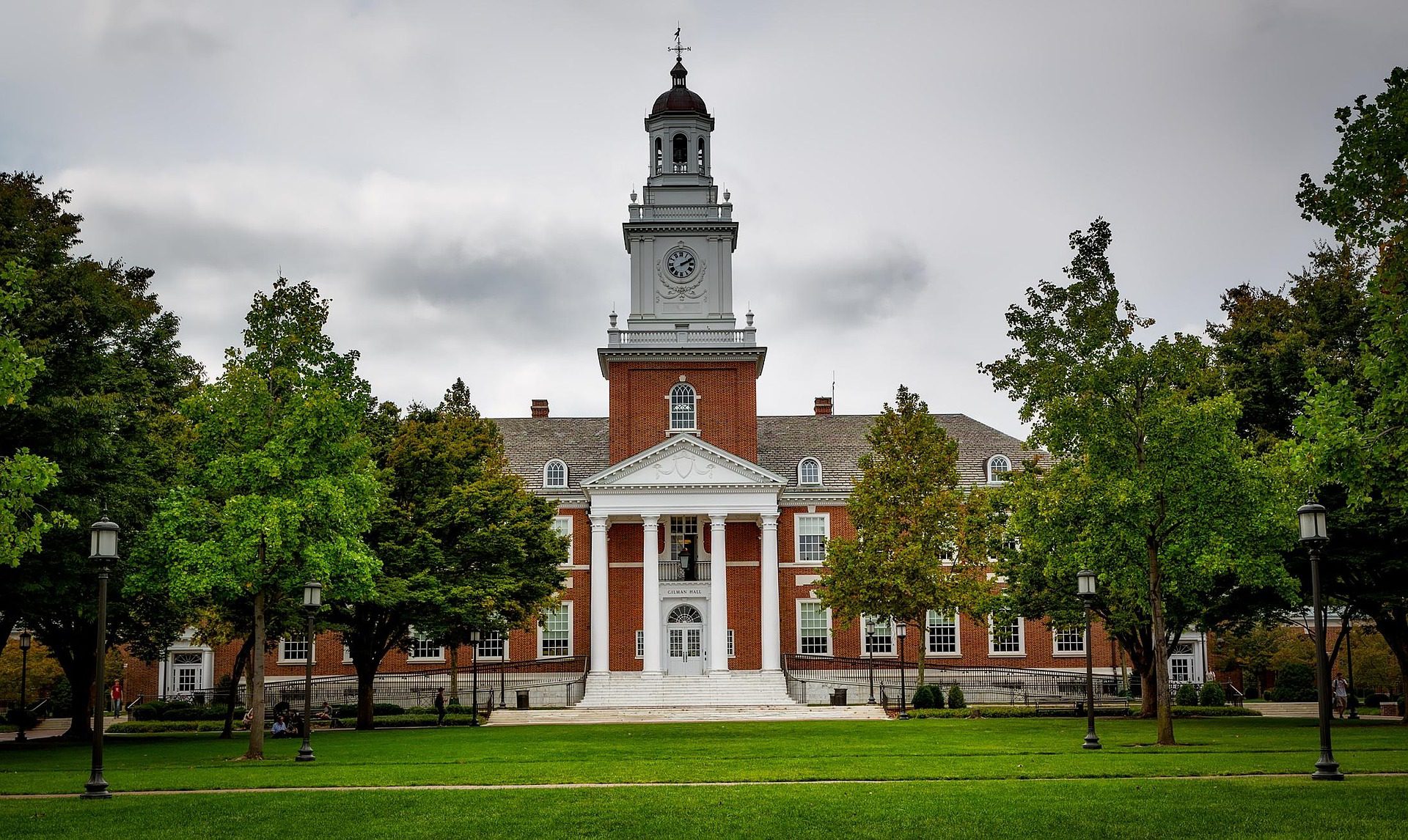
The Untold Story of the Bacone College Financial Collapse
Bacone College was once a proud landmark in Native American education. Founded in 1880, it became Oklahoma’s oldest institution dedicated to serving Indigenous students. For generations, it stood as a center of culture, art, and community. In recent years, however, the school has faced a crisis now known as the Bacone College financial collapse.
This collapse did not happen overnight. Years of financial struggles, leadership challenges, low enrollment, and legal disputes slowly built up. As a result, the college faced a downward spiral that ultimately led to its closure. The story of Bacone College is not just about the fall of a school; it is about the loss of a cultural pillar and a place that provided opportunity for Native students for generations.
When the Decline Began
Enrollment Decline and Financial Strain
One of the main causes of the Bacone College financial collapse was a sharp drop in student enrollment. At its peak, hundreds of students attended each year. In recent years, the number dwindled, and tuition revenue fell drastically.
As a private college, Bacone depended heavily on tuition for funding. Without enough students, covering basic expenses like salaries, utilities, and maintenance became almost impossible. This financial strain affected every part of the school.
Leadership Turnover and Confusion
Bacone also struggled with frequent changes in leadership. Several presidents came and went within a few years, each with different visions and strategies. Unfortunately, none of these transitions brought stability.
This constant turnover created uncertainty. Staff, students, and alumni noticed the lack of consistent planning. Many believe that these leadership changes directly contributed to the financial collapse. Without clear guidance, mistakes piled up, and the college drifted from its original mission.
Failed Attempts at Reinvention
At one point, Bacone tried to become a tribally chartered college. This change would have allowed the school to receive federal funding available to tribal colleges. While several tribes supported the move, the application was denied.
Without this funding, Bacone had to rely solely on declining tuition and uncertain donations. Many now believe that if tribal recognition had been granted, the financial collapse might have been avoided.
When Debt and Decay Took Control
Legal Battles and Contractor Disputes
As finances worsened, Bacone accumulated significant debt. Contractors who had worked for the school reported unpaid bills, with some filing lawsuits. One contractor claimed the college owed over a million dollars for work on heating and cooling systems.
These legal disputes added further pressure. Court judgments and threats of property seizure brought the school closer to collapse. Instead of solving core problems, Bacone faced mounting debt, lawsuits, and negative publicity.
Campus Deterioration and Cultural Loss
During this period, the campus fell into severe disrepair. Roof leaks, mold, and structural damage became common. Even Bacone’s treasured Native art collection suffered. Many pieces were stored improperly due to financial constraints, putting priceless cultural artifacts at risk.
The physical decline mirrored the emotional toll of the financial collapse. It was not only a loss of a school but a loss of heritage and identity for Indigenous communities.
Accreditation Loss and the Breaking Point
Classes Suspended and Accreditation Removed
In a final attempt to stabilize the situation, Bacone suspended classes temporarily. The pause was meant to allow time for reorganization. However, with no students attending, revenue dropped to zero.
Soon after, the college lost its accreditation. Accreditation is essential for students to access federal financial aid. Without it, prospective students disappeared, making recovery impossible. The Bacone College financial collapse sped up once accreditation was withdrawn.
Bankruptcy and the End of an Era
From Reorganization to Liquidation
Bacone College filed for bankruptcy in an attempt to restructure its finances. While bankruptcy can provide time to recover, concerns about mismanagement soon arose. Questions about financial oversight, questionable loan payments, and administrative failures added to the crisis.
Eventually, the bankruptcy turned into full liquidation. Land, buildings, and historic art were handed over to a trustee to be sold. The official closure confirmed the completeness of the Bacone College financial collapse. After nearly 150 years, the institution could not save itself.
Tribal Colleges and Universities
The Loss Felt by Indigenous Communities
A Cultural and Educational Void
For generations, Bacone College was more than a school. It was a safe place where Native students could learn, celebrate their culture, and connect with their community.
Its closure left a deep void. Students, alumni, and local communities mourned the loss of a space that fostered identity, creativity, and support.
A Reminder of Vulnerability
The Bacone College financial collapse shows how fragile culturally significant institutions can be without steady funding and strong leadership. Indigenous communities expressed sadness and frustration, questioning why more was not done to protect a college so central to Native education.
Native American education in Oklahoma
Lessons and Reflections for the Future
A Story That Will Not Be Forgotten
The collapse sparks important conversations about how small colleges can survive in changing times. Financial transparency, sustainable enrollment, and effective leadership are essential.
It also highlights the cultural importance of Indigenous education. Even though Bacone is gone, its spirit may live on through new programs, partnerships, or initiatives honoring its legacy.
Preserving a Legacy
Art, stories, and cultural contributions from Bacone cannot be erased. While the institution has closed, museums, community organizations, and tribal partnerships may help preserve its history. The impact of Bacone College remains alive in the people it touched.
Conclusion
The Bacone College financial collapse is a heartbreaking story of an institution that shaped generations of Native students. Financial pressures, leadership challenges, and a lack of emergency support led to its fall.
Yet Bacone’s legacy remains. Education is not only about buildings or budgets; it is about community, culture, identity, and history. Though the school is gone, its story reminds us to protect and uplift Indigenous education for future generations.