From Mythic Shores to Prehistoric Footprints: A Journey Through Morocco’s Timeless Wonders
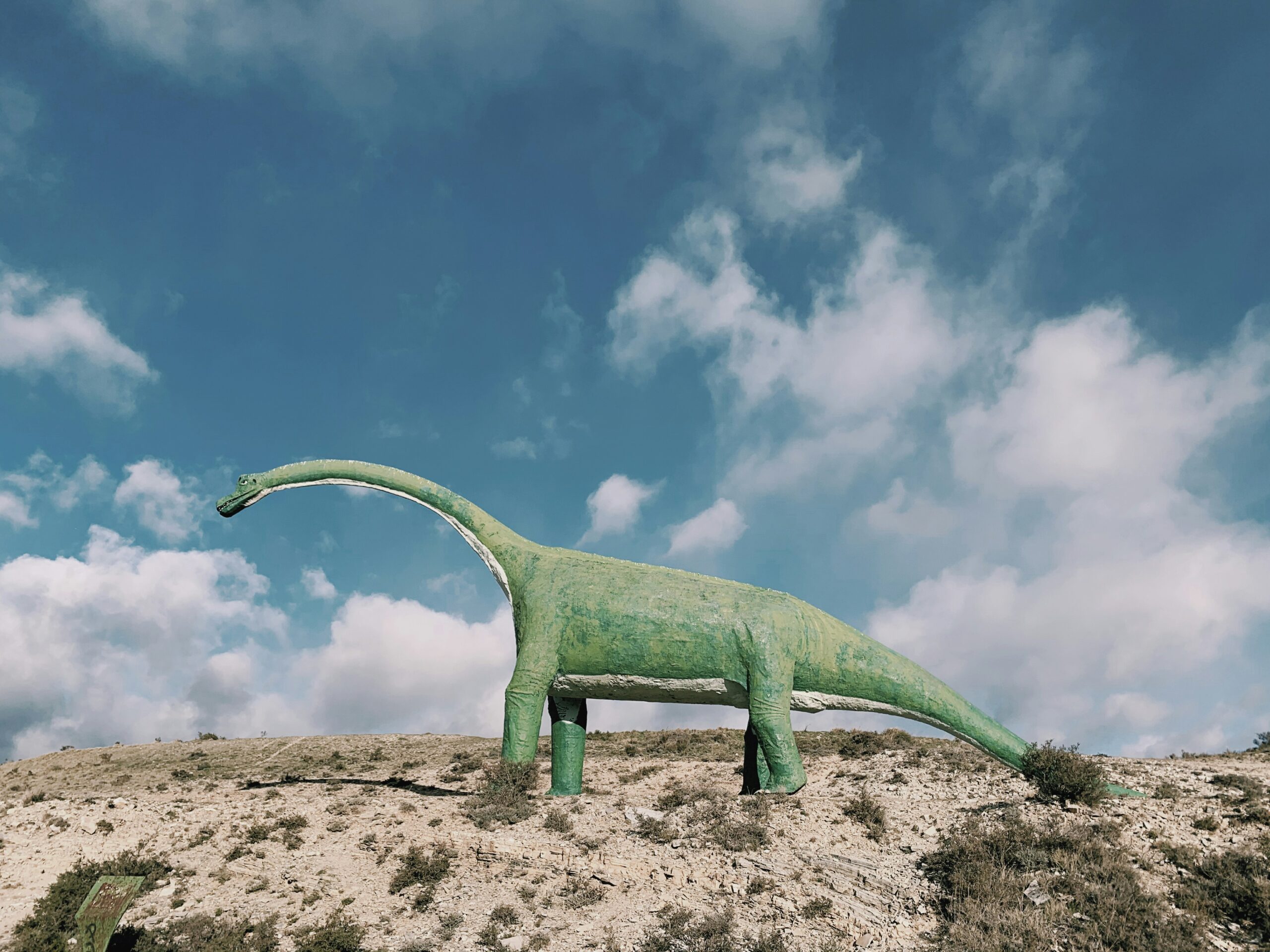
Dinosaur Azilal is one of Morocco’s most fascinating landmarks, where science and history come together to reveal a prehistoric world once buried beneath Moroccan soil. Morocco itself is a land where stories stretch across thousands of years, weaving together legend, natural beauty, and discovery. From windswept Atlantic cliffs to mountain regions filled with ancient secrets, the country invites travelers to explore multiple eras at once.
Alongside Dinosaur Azilal, the Caves of Hercules in Tangier reveal a more mythical side of the nation’s heritage. Together, these two destinations show how Morocco honors both its legendary past and its scientific legacy.
The Caves by the Sea and the Power of Legend
Location and Natural Setting
The Caves of Hercules lie about fourteen kilometers west of Tangier, near Cape Spartel. This is where the Atlantic Ocean meets the Mediterranean Sea. The meeting of these waters creates a dramatic landscape of cliffs, waves, and open horizons.
The caves are carved into limestone rock. Natural erosion and human activity shaped them over centuries. Their setting makes them easy to visit, yet deeply atmospheric.
Visitors to Tangier Hercules often feel they are standing at the edge of the continent. Europe and Africa feel close, separated only by water and imagination. The caves act as a symbolic gateway between worlds.
Myth of Hercules and Cultural Meaning
According to ancient legend, Hercules rested in these caves after completing his twelve labors. Myth says he slept here before separating Europe and Africa, creating the Strait of Gibraltar.
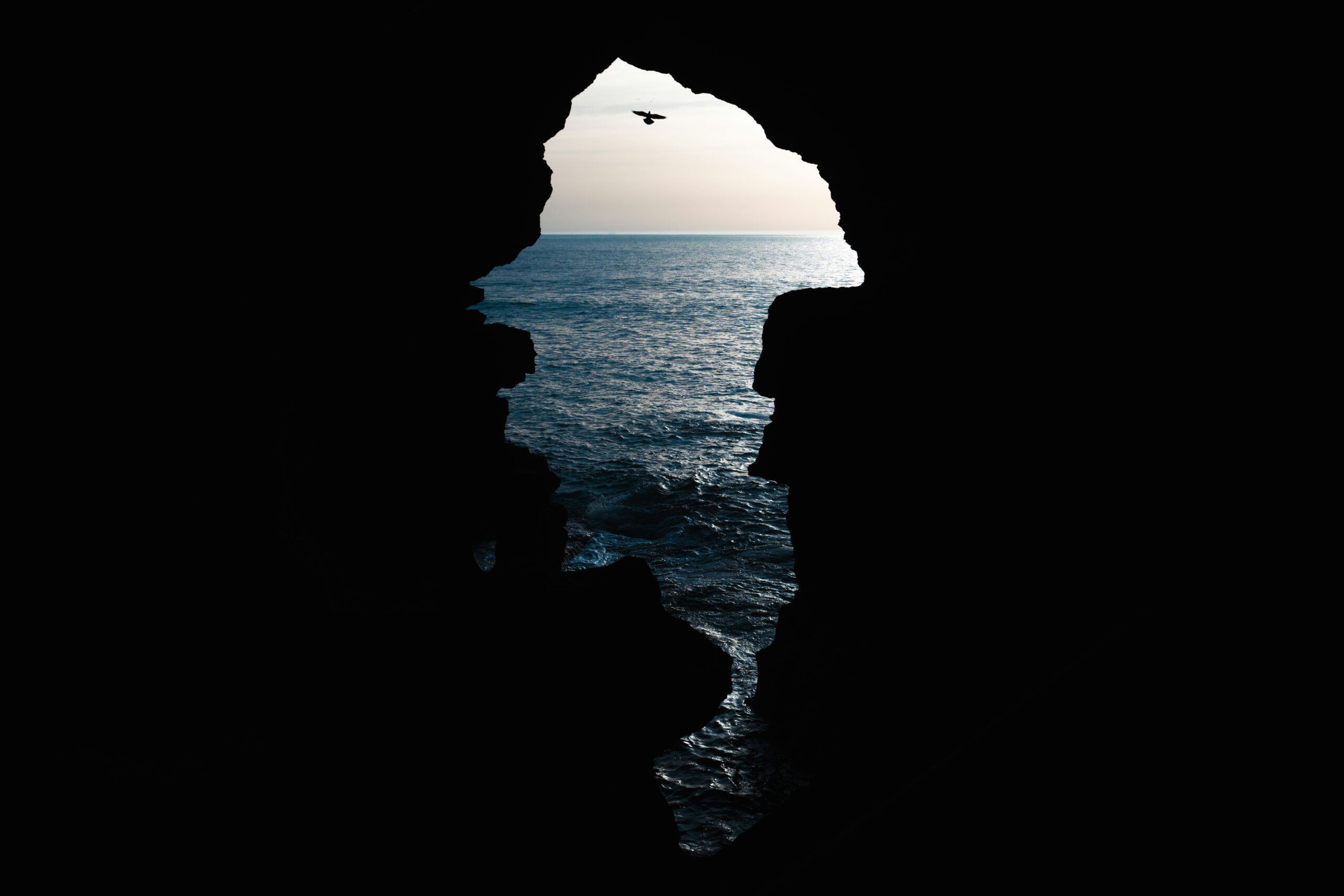
One famous cave opening resembles the shape of the African continent. It was formed through both natural erosion and human carving.
This legend gives Tangier Hercules its lasting power. Visitors are not just looking at stone. They are stepping into a story passed down for generations. Local guides still share these tales, keeping oral traditions alive.
Nature, Tourism, and Reflection
Today, the caves are among Morocco’s most visited attractions. Sunlight pours through openings and dances across the stone walls. Outside, the ocean roars and echoes through the chambers.
Tourism has added safe paths and viewing areas. Still, the site remains calm and reflective. Artists, photographers, and travelers visit Tangier Hercules to connect with nature, legend, and silence.
Azilal and the Rise of Prehistoric Discovery
The Atlas Mountains and Ancient Ground
Far from the coast, deep in the Atlas Mountains, lies the region of Azilal. Known for its rugged landscapes and traditional villages, it also holds a hidden scientific treasure.
Here, researchers discovered fossilized dinosaur footprints preserved in stone. These tracks offer direct evidence of life that existed millions of years ago.
These discoveries led to the creation of Dinosaur Azilal, a museum dedicated to Morocco’s prehistoric heritage.
The Dinosaur Azilal Museum
The Dinosaur Azilal Museum displays fossil footprints, reconstructions, and educational exhibits. Visitors can see real tracks embedded in rock, frozen in time.
These footprints reveal how dinosaurs moved and lived. They turn stone into story. The museum makes science simple, visual, and engaging for all ages.
It also highlights the importance of protecting fossil sites. These remains are rare and irreplaceable.
Educational Tourism and Local Impact
The museum has transformed Azilal into an educational tourism destination. Travelers now visit not only for mountain views but also for prehistoric history.
This growth supports local communities and promotes sustainable tourism. Dinosaur Azilal proves that science can benefit both education and regional development.
Myth and Science in the Same Land
At first glance, a mythic cave and a dinosaur museum seem unrelated. Yet together, they reflect Morocco’s layered history.
Tangier Hercules represents humanity’s love for myth and meaning. Dinosaur Azilal reflects our need to understand the past through evidence. Both invite curiosity and wonder.
One asks visitors to imagine gods shaping continents. The other asks them to imagine giant creatures walking across ancient land.
Cultural Identity and Preservation
Morocco values both tradition and knowledge. Preserving the Caves of Hercules protects cultural memory. Supporting fossil research protects scientific heritage.
Visitors who experience both Tangier Hercules and Dinosaur Azilal often gain a deeper appreciation of Morocco’s identity. History here is not linear. It is layered, with each era leaving its mark.
Visitor Experience: Emotion and Learning
Standing inside the caves near Tangier brings calm and awe. The sound of waves and the weight of legend invite reflection.
In contrast, walking through the dinosaur museum sparks excitement and curiosity. Children and adults alike see science come alive.
Together, these experiences educate through wonder. They show that learning can be emotional, visual, and memorable.
Conclusion
Morocco offers more than destinations. It offers conversations across time.
Tangier Hercules connects visitors to myth and imagination. Dinosaur Azilal connects them to Earth’s deep history. Together, they show how Morocco honors both legend and science.
Ancient heroes and prehistoric creatures share the same soil. Every journey becomes a lesson in wonder.
.